Cart
0

There’s a shift happening in the way people approach fitness. Instead of chasing longer workouts or buying bulky equipment, more Americans are focusing on efficiency — tools that save time, protect joints, and make recovery part of the routine. The right devices don’t just support your workout; they improve consistency, comfort, and overall performance.
I’ve tested enough home-fitness gear to know that most products promise more than they deliver. But a handful stand out — not because they’re trendy, but because they quietly make your workouts better. They blend practicality with real physical benefits, and they fit into smaller living spaces without demanding major lifestyle changes. Below is a breakdown of the devices that genuinely helped improve my own training rhythm, along with the factors that matter before buying any fitness tech.
Why Smart Fitness Fits Easily Into Today’s Home Routines
Between busy schedules, rising gym fees, and the convenience of working out at home, people are building personal setups that feel efficient rather than overwhelming. Many now mix short cardio sessions with strength training and quick recovery work, all without leaving the house.
Technology has a big role in this shift. Vibration platforms activate muscles without impact, cycling bikes provide low-noise cardio, and recovery devices like massage guns or cupping tools make it easier to stay consistent. These tools reduce soreness, speed up warm-ups, and keep workouts sustainable — especially for people balancing fitness with work, family, or travel.
How to Choose Fitness Tech That’s Actually Worth Buying
Before spending money on equipment, these are the factors that consistently make the biggest difference:
• Science-backed function:
Tools based on biomechanics — percussion massage, dynamic cupping, magnetic resistance, or vibration therapy — tend to offer better long-term value.
• Adjustability:
If multiple people use the device, adjustable resistance, seating, height, or angle make it far more useful.
• Recovery integration:
Products that support circulation and mobility help reduce injury risk and improve consistency.
• Compact design:
Foldable benches, portable devices, and platform-style machines fit better in U.S. homes where space is limited.
• High user trust:
Look for products that maintain strong verified reviews and reliable support from U.S. brands.
With those criteria, these six products stood out clearly.
Our Recommendations — Fitness Devices That Delivered Real Results
The LifePro Rumblex Plus 4D Vibration Plate is one of the few vibration platforms that feels genuinely effective. It combines different motion patterns to activate muscles throughout the body, whether you’re stretching, warming up, or doing a full session. I found it especially useful for days when I didn’t want a long workout — 10 to 15 minutes on the platform felt surprisingly productive. The added resistance bands and remote make it simple to use, and the build quality feels solid enough for everyday training.
The YOSUDA Indoor Cycling Bike is a strong alternative to higher-priced studio bikes. Its magnetic resistance keeps the ride smooth and nearly silent, which matters in apartments or shared spaces. The adjustable seat and handlebars make it easy for different users to get comfortable, and the flywheel weight gives a stable, grounded feel during sprints or climbs. It’s a reliable pick for consistent home cardio without needing a subscription plan.
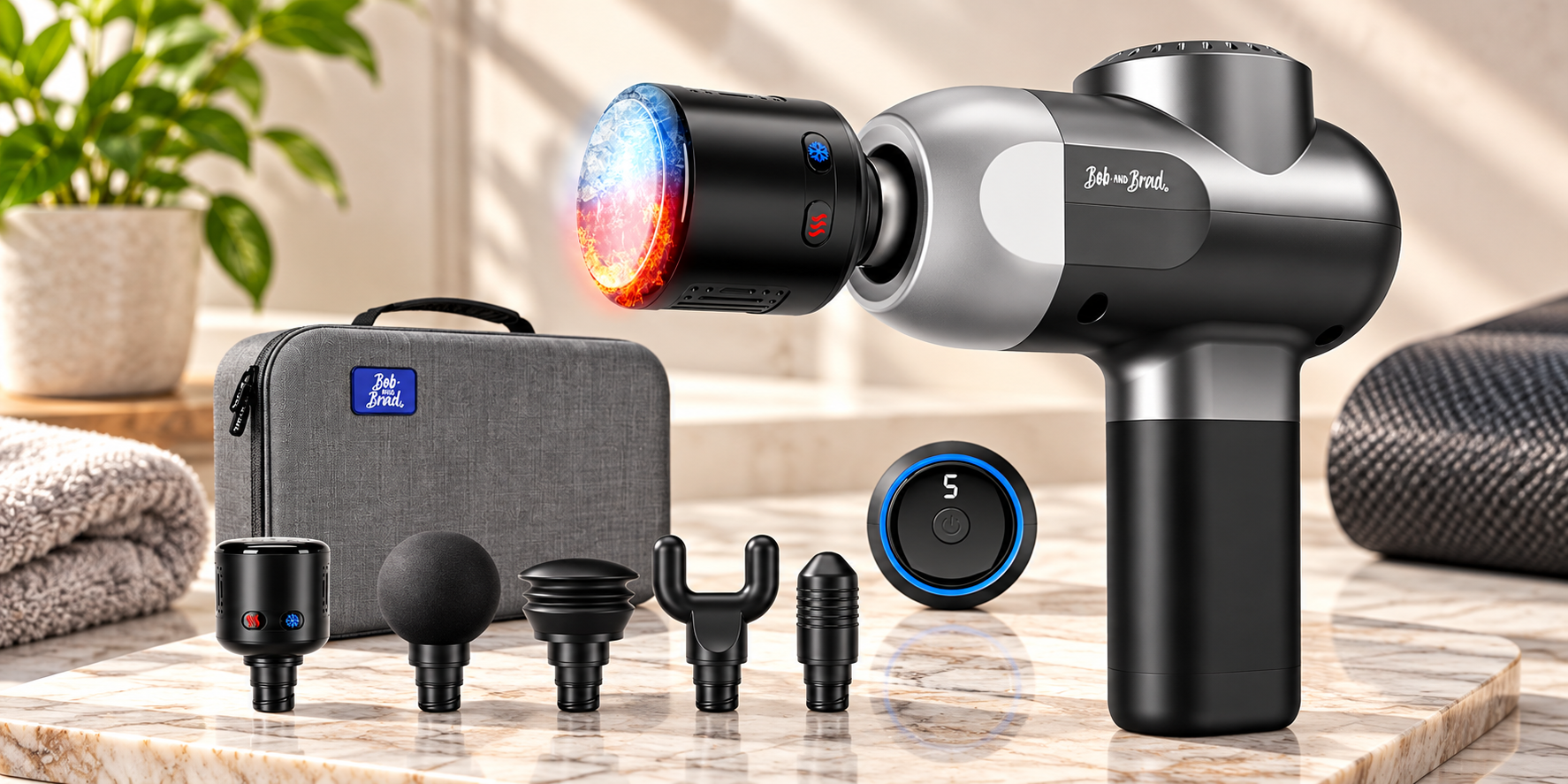
The BOB AND BRAD C2 Pro Massage Gun quickly became my go-to recovery tool. Designed by two licensed physical therapists, it strikes a rare balance: powerful enough for deep tissue relief but quiet enough to use while watching TV. It works well on tight shoulders, calves after runs, or general soreness after strength training. With multiple attachments and USB-C charging, it stays convenient for travel or daily use.
The REVO 4-in-1 Smart Cupping Therapy Massager blends traditional cupping with modern tech. It uses heat, suction, and red-light therapy to improve blood flow and loosen tight areas. It’s fully wireless, which makes it extremely easy to apply on the back or shoulders without help. For people dealing with stiffness, long work hours, or muscle knots, it adds a layer of recovery that massage guns can’t fully reach.
Amazon Bestsellers — Picks That Americans Keep Adding to Their Home Setups
The Sweet Sweat Waist Trimmer continues to be a widely used workout accessory. While it’s not a magic tool, it does help elevate core temperature, which can support warm-ups and make cardio sessions feel more efficient. Many users pair it with the Sweet Sweat Gel for increased heat around the midsection. It’s simple, consistent, and helpful for anyone looking to sharpen their workout routine.
The FLYBIRD Adjustable Weight Bench is a foundation piece for strength training at home. It shifts from incline to flat to decline positions, making it compatible with dumbbells, resistance bands, or body-weight movements. The foldable frame is sturdy yet easy to store, which is rare for a bench with this level of stability. It’s one of those purchases that ends up being used more than expected.
Final Thoughts — A Smarter Way to Build Strength and Recovery
Effective fitness doesn’t have to be complicated. And it doesn’t require filling your home with oversized gym machines, either. The devices above helped create workouts that felt smooth, manageable, and sustainable — and that’s what most people need. Whether it’s the low-impact cardio of the YOSUDA bike, the quick recovery from the BOB AND BRAD gun, or the all-in-one strength foundation from the FLYBIRD bench, these tools make it easier to stay consistent.
You don’t need five different machines. You just need the right ones — the pieces that fit your routine and support your body. These six do exactly that.
Quick FAQ — Common Fitness Tech Questions
Do vibration platforms actually help?
Yes. Studies show vibration training supports circulation, muscle activation, and flexibility, especially for warm-ups or recovery days.
How often should I use a massage gun or cupping tool?
Three to five sessions a week for 10–15 minutes works well for most users.
Is a cycling bike easier on joints than running?
Cycling is typically more joint-friendly, making it a safer long-term cardio option.
What’s the simplest home setup for beginners?
A vibration plate for warm-ups, an adjustable bench for strength, and a massage gun for recovery—this trio covers everything you need.

Featured in this review

iboughtthis
4D Cloud-Like Comfort Soles
$13.98
View Deal on Amazon
We may earn a commission when you buy through this link, at no extra cost to you.