

Cart
0
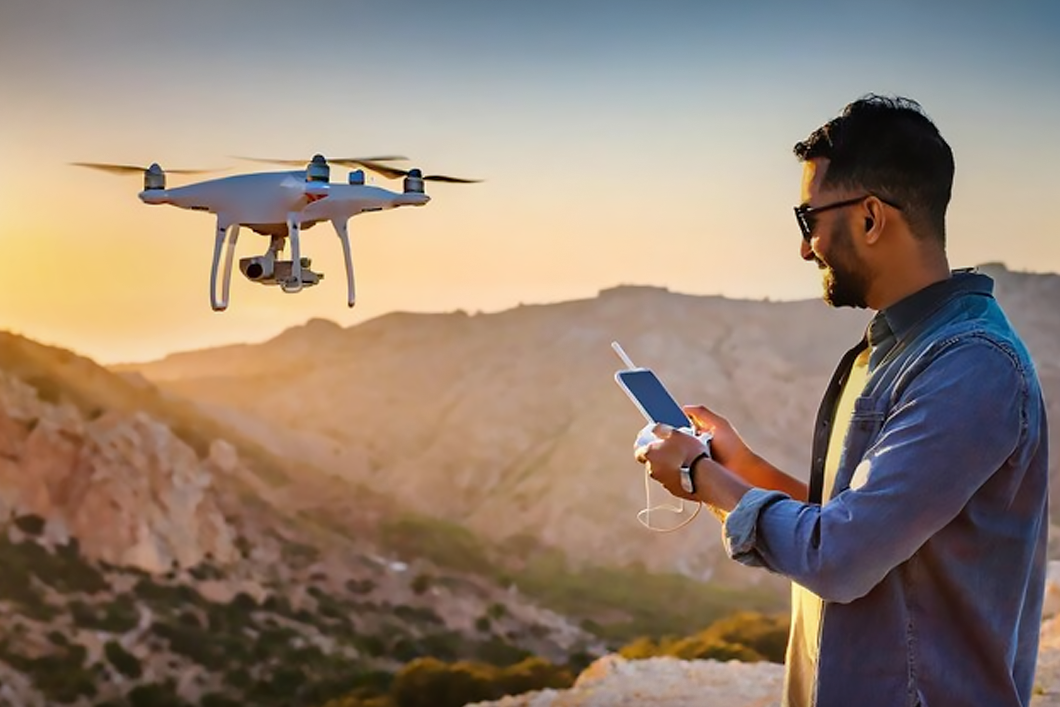
Drones have quietly changed how people capture memories. What started as a hobby for tech enthusiasts has become a simple way to document travel, sports, and everyday moments. But not all drones are designed for the same kind of user. Some are built to fly themselves and stay out of your way. Others are made for people who want more control, longer flights, and traditional aerial shots. Understanding this difference matters far more than megapixels or price tags.
This is where two very different approaches stand out. One focuses on effortless, hands-free filming that follows you automatically. The other delivers classic GPS-guided flight with manual control and longer range. Looking at both side by side makes it easier to choose what actually fits your lifestyle.
Why the Drone Experience Matters More Than Specs
Most people don’t buy a drone to learn aviation. They buy one to capture moments without friction. The frustration usually starts with setup, calibration, controllers, or worrying about crashing into something. That’s why newer drones are moving in two clear directions. One path removes complexity almost entirely. The other refines traditional flight with better stability and safety.
If you bike, hike, travel solo, or create short-form content, ease of use matters more than flight distance. If you enjoy piloting, framing shots, and exploring wide open spaces, control and endurance matter more. This difference defines the experience far more than resolution numbers on a box.
How Self-Flying Changes Content Creation
The HOVERAir X1 Drone takes a completely different approach from traditional drones. It is designed to act like a flying camera rather than an aircraft you need to manage. You launch it from your palm, select a flight mode, and it does the rest. Follow, orbit, hover, and bird’s-eye shots are pre-programmed, which removes the learning curve entirely.
What makes this approach appealing is how naturally it fits into real life. You don’t need a controller. You don’t need to stop what you’re doing. Whether cycling, hiking, or walking through a city, the drone tracks movement smoothly and keeps you centered in the frame. Triple stabilization helps keep footage usable even when you are moving fast, and the fully enclosed design makes close-range filming feel far less risky.
Portability is another quiet advantage. At just 125 grams, it slips into a bag without planning. There is no FAA registration requirement, no external SD card to manage, and no setup ritual before flying. For people who value spontaneity, that simplicity often matters more than raw power.
Why Traditional GPS Drones Still Matter
The Holy Stone HS700E represents the more familiar drone experience, refined for reliability. This style of drone is built for users who want to fly, not just be followed. GPS and GLONASS positioning keep the drone stable in the air, while return-to-home features add confidence during longer flights.
This kind of drone shines when space opens up. Wide landscapes, beaches, and outdoor exploration benefit from manual framing and extended flight control. The adjustable camera angle, wide field of view, and electronic image stabilization give you more flexibility when composing shots. Brushless motors improve durability and reduce noise, which matters during repeated outdoor use.
For beginners, features like altitude hold and headless mode reduce the intimidation factor without removing control. You still fly the drone, but the learning curve feels manageable rather than overwhelming. This balance makes it appealing for users who want to grow into the hobby rather than automate it completely.
Our Recommendation Based on How You Actually Use a Drone
If capturing yourself in motion is the goal, the HOVERAir X1 Drone feels purpose-built. It removes friction, shortens setup time, and turns filming into something you barely think about. For solo creators, travelers, and anyone who wants fast results without technical effort, this approach makes sense.
If flying itself is part of the enjoyment, the Holy Stone HS700E remains the better fit. It offers longer sessions, wider control, and the satisfaction of piloting while still providing modern safety features. It feels less like a gadget and more like a traditional aerial tool.
Neither approach is better overall. They simply solve different problems.
Amazon Favorites People Keep Choosing
Buyers who prioritize convenience consistently lean toward the HOVERAir X1 because it fits into daily life without planning. Reviews often mention how often it gets used simply because it is easy to grab and fly. People who choose the HS700E tend to value its balance of control and safety, especially for outdoor use where space allows traditional flight patterns.
What stands out across both is trust. Both models remain popular not because of hype, but because they deliver exactly what they promise without unnecessary complexity.
What to Know Before You Decide
A self-flying drone works best when you want fast, personal footage with minimal input. A GPS drone works best when you want creative control and longer air time. Battery life, control method, and environment matter more than resolution alone.
Quick Questions People Usually Ask
Is a self-flying drone safe for beginners?
Yes. Enclosed propellers, automated paths, and limited speed make it far less intimidating for first-time users.
Do GPS drones require more skill?
They require more involvement, but modern stabilization and return-to-home features make them approachable even for beginners.
Which one is better for travel?
Self-flying drones are easier to pack and use casually. GPS drones are better when travel includes open outdoor spaces.
Can both record high-quality video?
Yes. The difference is not quality, but how much control you want over the shot.
Final Takeaway
Drones are no longer one-size-fits-all. Some are built to disappear into the background and quietly capture moments. Others are designed to be flown, explored, and controlled. Understanding which experience you want makes the decision simple. Once that choice is clear, the right drone almost chooses itself.


